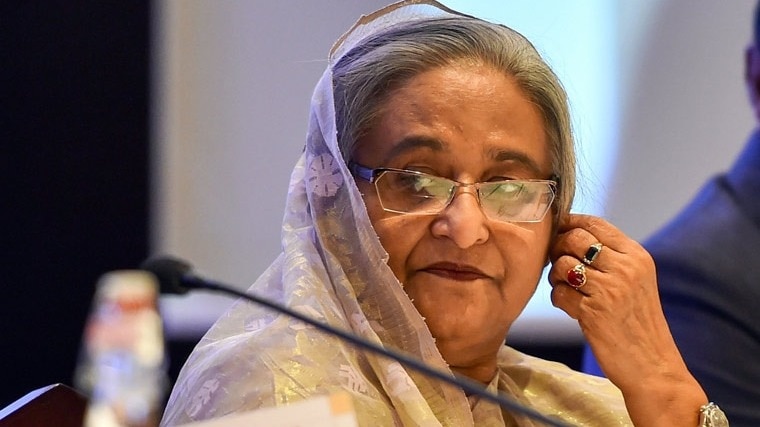
Dhaka, June 1, 2025 — The trial of former Bangladeshi Prime Minister Sheikh Hasina, which opened today at the International Crimes Tribunal (ICT) in Dhaka, has sparked fierce controversy, with critics labeling it a “kangaroo court” designed to exact political vengeance rather than deliver justice. Hasina, 77, faces charges of crimes against humanity for her alleged role in the brutal crackdown on the July-August 2024 student-led uprising, which left up to 1,400 dead, according to United Nations estimates. Yet, allegations of bias surrounding Chief Prosecutor Mohammad Tajul Islam and even Hasina’s defense team have cast a shadow over the trial’s legitimacy, raising questions about whether it serves as a vehicle for Jamaat-e-Islami’s long-simmering revenge for the 1971 war crimes trials and a broader vendetta against Hasina’s Awami League.
A Trial Tainted by Conflict of Interest
At the heart of the controversy is Mohammad Tajul Islam, the ICT’s Chief Prosecutor, who told the court in his opening remarks, “Your Honor, this trial is not just revenge for the past. It is a promise for the future.” For many, this statement—laden with subtext in Bangladesh’s polarized political rhetoric—implies a deeper agenda. Tajul Islam, a seasoned Supreme Court lawyer appointed Chief Prosecutor on September 7, 2024, previously served as a defense attorney for Jamaat-e-Islami leaders and Razakars—paramilitary collaborators with the Pakistani army during the 1971 Liberation War—convicted of war crimes under Hasina’s government. Notably, he defended Abdul Quader Molla, executed in 2013, and Ali Ahsan Mohammad Mujaheed, both sentenced to death by the ICT for atrocities including genocide and rape.
This history has fueled accusations of a glaring conflict of interest. Supreme Court lawyer Ruhul Amin told BenarNews, “There is no legal bar for him [Tajul] to be Chief Prosecutor of the same International Crimes Tribunal, but there remain questions whether he would be able to perform the job fairly and impartially.” Critics argue that Tajul’s past defense of Jamaat leaders, who were targeted by Hasina’s ICT for their role in the 1971 war, makes his appointment as prosecutor against Hasina inherently biased. His resignation from the Amar Bangladesh (AB) Party—an offshoot of Jamaat—months before the trial has done little to quell concerns, with many viewing it as a superficial move to project neutrality.
The ICT itself, established by Hasina in 2009 to prosecute 1971 war crimes, has long been criticized as a tool for political retribution, mostly by the Islamists and the West. During Hasina’s tenure, the ICT convicted and executed numerous Jamaat-e-Islami and Bangladesh Nationalist Party (BNP) leaders, prompting accusations of “judicial killings” from Jamaat and international concerns about fairness from the US and UK. Now, with Hasina in the dock, the tribunal’s history of targeting her rivals suggests a reversal of fortunes, with Tajul Islam’s role amplifying fears of a vendetta-driven process.
Allegations of Jamaat Influence in the Defense
Compounding the controversy are allegations that even Hasina’s defense team may include Jamaat activists, undermining the trial’s integrity further. Sources close to the Awami League claim that some defense attorneys have ties to Jamaat-e-Islami or its student wing, Islami Chhatra Shibir, raising suspicions that they may prioritize political agendas over a robust defense. These claims align with broader concerns that the trial is a staged spectacle, orchestrated by Jamaat and its allies to settle scores from the 1971 war and Hasina’s subsequent crackdowns. The timing of the Supreme Court’s decision on June 1, 2025, to restore Jamaat’s political registration—reversing Hasina’s 2013 ban—further fuels perceptions of an Islamist resurgence driving the trial.
A Revenge for 1971?
Jamaat-e-Islami’s role in the 1971 Liberation War remains a raw wound in Bangladesh. The party, which opposed independence and aligned with Pakistan’s military, was linked to paramilitary groups like the Razakars, accused of mass killings, rapes, and torture. Hasina’s government used the ICT to prosecute these crimes, convicting and executing leaders like Abdul Quader Molla and Motiur Rahman Nizami, actions Jamaat decried as politically motivated. The acquittal of Jamaat leader ATM Azharul Islam on May 27, 2025, and the lifting of Jamaat’s ban signal a dramatic shift, with critics arguing that Tajul Islam, once a defender of these figures, is now orchestrating a trial to exact revenge for those convictions.
Social media platforms have erupted with claims that the trial is a “kangaroo court” dominated by Jamaat activists, from prosecutors to judges. One post stated, “Yunus has orchestrated a kangaroo court to prosecute Prime Minister Sheikh Hasina on unfounded genocide charges. Shockingly, the entire legal process is dominated by Jamaat-e-Islami activists—from the prosecution and defense teams to the judge himself.” While such posts are not conclusive evidence, they reflect a widespread sentiment among Hasina’s supporters that the trial is a politically charged farce.
Legal and Ethical Concerns
From a legal perspective, Tajul Islam’s prior role as a defense attorney for Jamaat leaders creates a significant conflict of interest. Ethical standards in international law, such as those outlined in the International Covenant on Civil and Political Rights, to which Bangladesh is a signatory, demand impartiality and fairness in judicial proceedings. Tajul’s history of defending individuals prosecuted by Hasina’s government raises questions about his ability to approach her case without bias, particularly given the personal and political stakes. His statement, “this trial is not just revenge for the past,” has been interpreted as a rhetorical wink, implying vengeance for Jamaat’s losses under Hasina’s ICT, despite his public insistence on justice.
The trial’s structure further undermines its credibility. Hasina, in exile in India and defying extradition orders, is being tried in absentia, limiting her ability to mount a robust defense. The prosecution’s reliance on extensive evidence—video footage, audio clips, and victim testimonies—has been overshadowed by concerns about the tribunal’s impartiality, given its history and Tajul’s role. Moreover, allegations that Hasina’s defense team includes Jamaat activists suggest a potential sabotage of her case, as their loyalties may lie with the very group seeking retribution.
A Vendetta Against the Awami League?
The trial’s timing and context point to a broader vendetta against Hasina’s Awami League, banned by the interim government in May 2025 pending the trial’s outcome. The interim administration, led by Nobel laureate Muhammad Yunus, has prioritized prosecuting Hasina and her associates, with Tajul Islam stating that trials against “top commanders” will conclude within a year. Critics argue this haste, combined with Jamaat’s restored political status, reflects a concerted effort to dismantle the Awami League’s legacy and empower its rivals, including Jamaat and the AB Party, from which Tajul recently resigned.
Hasina’s supporters, including the Awami League, have dismissed the charges as “politically motivated,” arguing that the trial ignores the deaths of police and Awami League activists during the 2024 protests, which they attribute to opposition violence. The ICT’s history of targeting Hasina’s rivals, coupled with Tajul’s past defense of those same rivals, lends credence to claims that the trial is less about justice and more about reversing the political fortunes of 1971’s losers.
The Upshot
The trial of Sheikh Hasina, broadcast live on Bangladesh Television, was probably meant to signal a new era of accountability. Yet, the shadow of Mohammad Tajul Islam’s conflicted past as a Jamaat defense attorney, combined with allegations of Jamaat activists infiltrating Hasina’s defense team, has branded the ICT proceedings a “kangaroo court.” For many, Tajul’s courtroom assertion that the trial is “not just revenge for the past” rings hollow, a rhetorical flourish masking a deeper vendetta rooted in the 1971 war’s unresolved traumas. As Bangladesh navigates a volatile political transition under Yunus’s interim government, the trial risks deepening divisions, with critics warning that it serves Jamaat-e-Islami’s revenge and the Awami League’s destruction rather than impartial justice.



 The Asiapost News
Leave a comment