Dhaka, Bangladesh
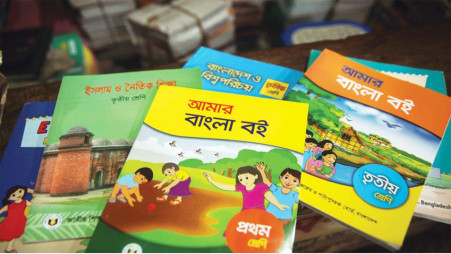
In addition to the four lengthy months of delay, primary school students across Bangladesh have been handed textbooks so poorly made that the text is nearly unreadable, sparking outrage among parents and educators who blame the interim government for allowing rampant corruption to undermine the nation’s education system. The books, distributed free by the National Curriculum and Textbook Board (NCTB), are plagued by thin paper, printing errors, and missing pages, rendering them unfit for classroom use.
According to a report by Kalbela, the distribution of over 307 million textbooks for the 2025 academic year has been marred by allegations of corruption involving NCTB officials and private printing presses. The interim government, in power since August 2024, is accused of failing to enforce quality standards, allowing a corrupt nexus to profit by using substandard materials. “The paper is so thin you can see the text from the other side,” said a headteacher from a primary school in Rajshahi. “These books tear easily and frustrate students. It’s a disgrace.”
The low-quality textbooks, described as “unreadable” due to faint print and incomplete content, are a direct result of cost-cutting measures, the report alleges. Printing presses, securing contracts through alleged bribes and political influence, have used cheap paper to maximize profits, with savings reportedly pocketed by officials. This systemic corruption has left millions of students, particularly in low-income areas, with educational materials that hinder learning.
Parents are furious, with many forced to buy private textbooks to compensate for the poor quality of free ones. “We can’t afford this, but what choice do we have?” said a Dhaka parent quoted in the report. “The government promised better education, but they’ve given us useless books.” The issue disproportionately affects poorer families who rely on the NCTB’s free textbooks, deepening educational inequities.
Despite several complaints, no meaningful action has been taken against those involved, highlighting a lack of accountability, according to witnesses. The interim government’s inaction has fueled public anger. “This is a betrayal of our children,” said an unnamed education advocate. “The interim regime must investigate and hold these corrupt officials accountable.”
Outraged parents are demanding immediate changes, such as open procurement procedures and rigorous quality control. As protests grow in cities like Dhaka and Rajshahi, the interim government faces mounting pressure to address the crisis. With millions of students’ education at stake, the administration’s failure to act decisively risks eroding public trust and provoking further unrest.


 The Asiapost News
Leave a comment