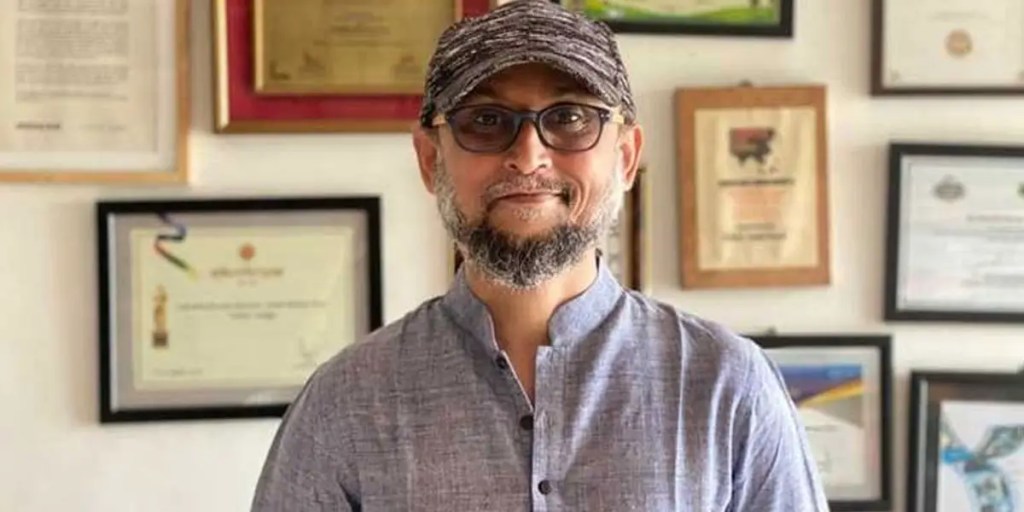
Dhaka, Bangladesh – The “Farooki Incident” of April 28, 2025, has cast a dark shadow over Bangladesh’s already struggling media landscape. Three journalists were abruptly fired, and a major TV station was pressured into silence, all because they asked questions that Cultural Affairs Advisor Mostofa Sarwar Farooki and the interim government didn’t want to hear. This troubling episode reveals a government intolerant of scrutiny and a media environment teetering on the edge of repression.
The Incident: Questions That Cost Jobs
It started at a press conference in Dhaka’s Secretariat, where Farooki was touting the selection of the short film “Ali” for the 78th Cannes Film Festival. Journalists Mizanur Rahman (Deepto TV), Fazle Rabbi (ATN Bangla), and Rafiqul Bashar (Channel i) posed tough questions, touching on the UNESCO recognition of “Ananda Shobhajatra,” masks resembling ousted Prime Minister Sheikh Hasina, and the death toll from the July 2024 uprising. Farooki, visibly unsettled, reacted defensively, setting the stage for a shocking backlash.
Hours later, a Facebook page called “July Revolutionary Alliance—JRA,” reportedly linked to supporters of the Muhammad Yunus-led interim government, launched a vicious online campaign. They labeled the journalists as “fascist” sympathizers of the Awami League and demanded their dismissal within 24 hours, threatening to march on the stations. By the next day, Deepto TV, ATN Bangla, and Channel i had terminated the journalists, and Deepto TV briefly halted its news broadcasts, citing internal decisions but raising suspicions of external pressure.
The Aftermath: A Media Under Siege
The firings sent shockwaves through Bangladesh’s journalism community. Information Advisor Mahfuj Alam insisted the government had no role, claiming the stations acted independently after a journalist’s question “seemingly supported genocide.” Yet, no evidence was provided to back this claim, leaving many to question the government’s narrative. Farooki himself, when pressed by BBC Bangla, played the innocent card, saying, “I was resting. I know nothing.” This conveniently timed ignorance only deepened suspicions of his involvement, as the JRA’s campaign unfolded right after his heated press conference.
On World Press Freedom Day, May 3, 2025, Matiur Rahman Chowdhury, the respected editor of Manab Zamin, addressed the incident at a Dhaka event. As reported by Kalabela, Bonik Barta, The Daily Ittefaq, and Amader Shomoy, Chowdhury called it “astonishing” to celebrate press freedom in a country where journalists lose jobs for asking questions. “Whose hands are behind this justice?” he asked, pointing to unseen forces undermining media independence. He labeled the firings a direct attack on the core of journalism—questioning authority—and urged media outlets to stand firm against pressure.
Press Freedom in Bangladesh: A Grim Reality
Bangladesh’s press freedom is in dire straits, ranked 165 out of 180 globally. Since the interim government took power in August 2024, 640 journalists have faced harassment, 137 have been hit with criminal charges, and 59 have lost press accreditations, often for perceived ties to the Awami League. Physical attacks on reporters, including beatings and newsroom raids, have surged since February 2025, with little accountability. The Cyber Security Act, a successor to the notorious Digital Security Act, continues to stifle free expression, while social media campaigns like the JRA’s amplify intimidation.
Chowdhury, a veteran who’s faced his own battles with censorship, including a 2020 Digital Security Act case, has long warned of a controlled media. His remarks in 2025 about “invisible hands” reflect a system where government, political groups, and compliant media owners collude to silence dissent. The Farooki Incident, with its rapid firings and station suspension, is a textbook example of this chilling trend.
The Government’s Role: Denials and Doubts
The interim government, through Alam, denies any involvement, portraying the journalists’ questions as inflammatory and the stations’ actions as their own. Farooki’s claim of being “resting” and unaware adds to the government’s attempt to distance itself, but this narrative doesn’t hold water. The government’s failure to condemn the JRA’s threats or protect the journalists raises serious questions about its commitment to free speech. The lack of evidence for Alam’s “genocide” claim further undermines the official line, suggesting a convenient excuse to justify the crackdown.
Farooki’s role remains under scrutiny. His defensive reaction at the press conference sparked the chain of events, and his subsequent claim of ignorance feels like a dodge. The Yunus administration, once hailed for its reformist promise, now faces accusations of enabling a culture of fear where questioning sensitive issues—like the July Uprising—comes at a steep cost.
A Wake-Up Call for Bangladesh and Beyond
The Farooki Incident is more than a local controversy; it’s a stark reminder of what happens when power goes unchecked. Journalists shouldn’t lose their livelihoods for doing their jobs, and stations shouldn’t be bullied into silence. Chowdhury’s call for accountability resonates with rights groups like Reporters Without Borders and Ain o Salish Kendra, who’ve decried Bangladesh’s slide into media repression. The international community must press Yunus to uphold press freedom, not just in words but in actions.
For Bangladesh’s people, a free press is non-negotiable—it’s the backbone of truth in a nation grappling with political upheaval. The Farooki Incident shows how fragile that backbone is. If the government and figures like Farooki think they can dodge scrutiny by crushing journalists, they’re mistaken. The truth has a way of breaking through, and this scandal won’t be forgotten anytime soon.

 The Asiapost News
Leave a comment