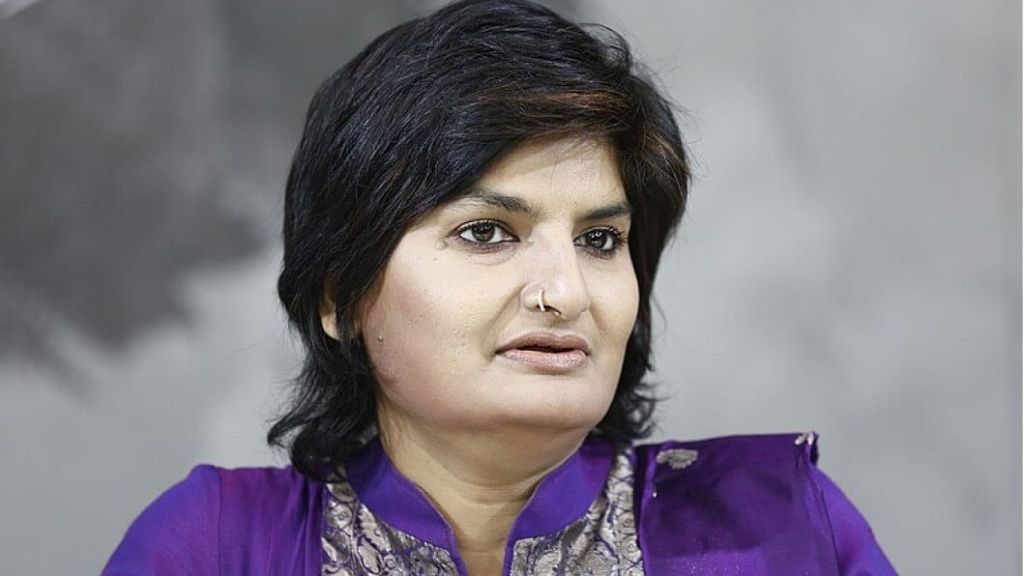
Bangladesh’s crackdown on press freedom has escalated with the detention of internationally renowned journalist Munni Saha, a move that has raised alarm among human rights advocates and the global press community.
Saha was arrested late on September 30, 2024, in Dhaka, as confirmed by Mubarak Hossain, Officer-in-Charge (OC) of the Tejgaon Police Station. Hossain stated that Saha faces multiple cases across different police stations, including Mirpur and Jatrabari. She was reportedly arrested in connection with cases filed at the Mirpur Model Police Station and Jatrabari Police Station.
Alarming Circumstances of Arrest
While arrests of journalists under the Yunus interim regime are not uncommon, the circumstances surrounding Saha’s detention have sparked outrage. Sources indicate she was accosted by a group of unidentified individuals claiming to be “local residents” while shopping for groceries in Dhaka’s Karwan Bazaar at approximately 10 PM. Shortly afterward, Tejgaon police arrived at the scene and took her into custody before transferring her to the Detective Branch (DB) headquarters.
Saha reportedly suffered a severe panic attack and experienced breathing difficulties while in detention. After a few hours, police released her under unspecified conditions, citing her deteriorating health.
Official Statements
Additional Commissioner of the Dhaka Metropolitan Police’s Detective Branch, Rezaul Karim Mallick, commented on the matter but provided a vague explanation. “She is a female journalist, and the case will follow Article 497(1) of the Criminal Procedure Code. She will apply for bail in court and has been released on the condition that she will appear whenever summoned,” Mallick stated.
He also added that Saha was handed over to her family, though the exact terms of her release remain unclear.
Broader Crackdown on Journalists
Saha’s arrest comes amid an intensifying crackdown on press freedom in Bangladesh. At least fifty journalists are currently detained, including prominent media figures such as Mozammel Babu, Farzana Rupa, and Shakil Ahmed, all of whom remain in jail.
The detention and harassment of journalists under the current regime have drawn widespread condemnation from both domestic and international observers. The manner of Saha’s arrest, described as abrupt and without due transparency, underscores growing concerns about the erosion of freedom of expression and the targeted persecution of journalists in Bangladesh.
This incident adds to a troubling trend, with journalism in the country increasingly operating under a climate of fear. Rights groups and international bodies have called for an immediate cessation of these oppressive practices and the restoration of press freedoms.

 The Asiapost News
Leave a comment