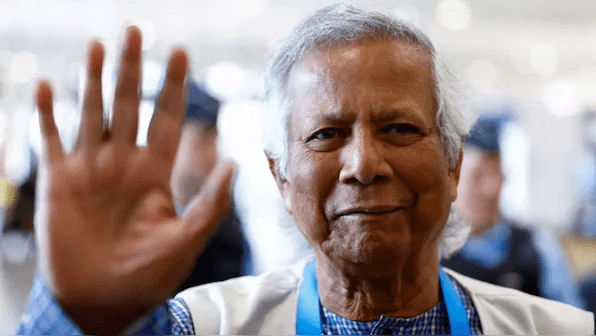
An interim government led by Nobel laureate Muhammad Yunus has faced mounting criticism over delays in holding parliamentary elections in Bangladesh. Yunus assumed leadership on August 8, 2024, three days after Awami League leader Sheikh Hasina was deposed and fled the country. Despite constitutional mandates requiring elections within 90 days of parliament’s dissolution, the country has yet to see a definitive timeline for the polls.
Missed Constitutional Deadlines
Article 123 (3) of Bangladesh’s Constitution says a fresh general election to elect the new government must be held within 90 days of dissolution of parliament. With parliament dissolved on August 6, elections should have been held by mid-November at the latest. However, as of November 17, Yunus marked 100 days in office without fulfilling this mandate.
In a national address on the milestone, Yunus acknowledged the delay and called for patience, promising elections would occur after “necessary and essential reforms” were implemented. Yet, he provided no clear schedule for these reforms or the anticipated polls.
“We aim to create an electoral system that will endure for decades,” Yunus said, urging citizens to trust the interim government’s vision for long-term electoral stability.
Delays and Reforms
Yunus has attributed the delay to the need for comprehensive electoral and institutional reforms, suggesting the timeline for elections could be extended by “a few more months.” He emphasized the importance of these reforms to ensure credible elections but admitted the process might take longer than initially expected.
“The journey of Bangladesh’s ‘election train’ has already begun,” Yunus said. “Some reforms can be implemented during preparations for the elections, but we need additional time to ensure these changes are effective.”
He also accused leaders from the ousted Awami League of destabilizing efforts and attempting to return to power using “ill-gotten wealth.”
BNP’s Mounting Pressure
The Bangladesh Nationalist Party (BNP), led by former Prime Minister Khaleda Zia, has been vocal in demanding timely elections. While the BNP has expressed a willingness to allow a “reasonable amount of time” for reforms, it has warned against prolonging the interim government’s tenure, citing past instances of caretaker governments overstaying their mandates.
In 2006, an army-controlled caretaker government delayed elections by nearly two years, eventually paving the way for Sheikh Hasina’s return to power. BNP leaders fear a repeat of such events and have urged the Yunus administration to proceed with elections swiftly.
The BNP has also staged protests over the lack of a clear electoral timeline. Demonstrations in Dhaka intensified in November, with party leaders demanding immediate reforms and a road map for elections. The BNP has hinted at plans for further protests if the interim government fails to announce a schedule in the coming months.
Concerns Over Interim Government’s Intentions
Yunus’s assurances have done little to quell concerns about the interim government’s prolonged stay in power. Critics argue the delays could undermine democratic norms, particularly given Bangladesh’s history of extended caretaker administrations.
The Yunus-led government faces a delicate balancing act: ensuring meaningful reforms while adhering to constitutional requirements and public expectations for timely elections. Whether it succeeds or faces increasing unrest remains to be seen. For now, Bangladesh’s political future hangs in uncertainty, with citizens and opposition groups alike waiting for clarity on when the next chapter of its democratic process will unfold.



 The Asiapost News
Leave a comment